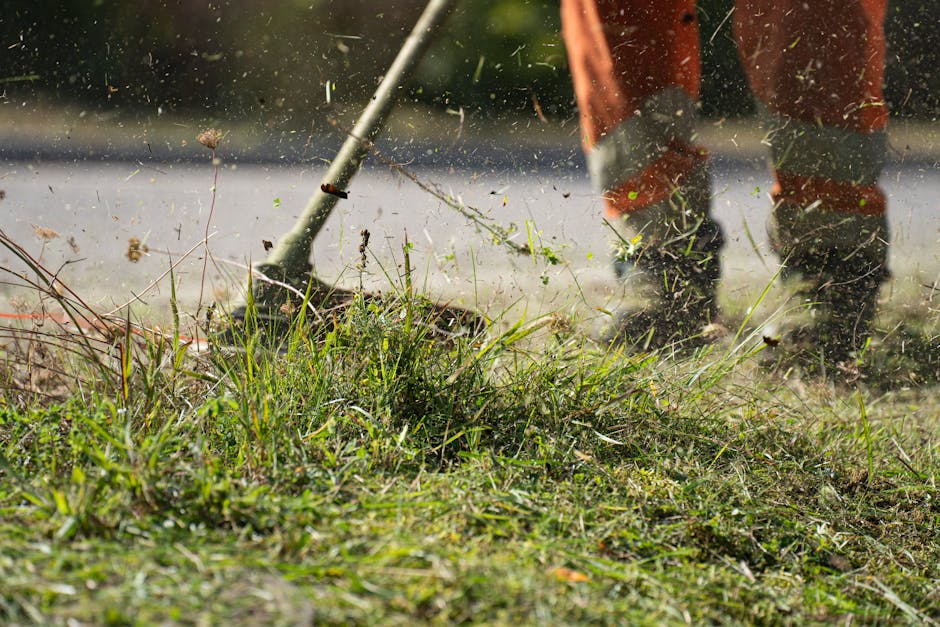
Real cost of garden clearance in Nine Elms: avoid common mistakes
If you are trying to understand the real cost of garden clearance in Nine Elms, you are probably dealing with one of two things: an overgrown garden that has got out of hand, or a clear-up after a move, renovation, or long spell of neglect. Either way, the bill can feel a bit mysterious at first. One quote sounds reasonable, the next feels oddly high, and nobody wants to pay twice because the job was scoped badly the first time. Truth be told, that is where most mistakes happen.
This guide breaks down what affects pricing, how garden clearance usually works in Nine Elms, where hidden costs creep in, and how to avoid the common traps that turn a straightforward tidy-up into a stressful weekend. You will also find a checklist, a comparison table, and a practical example so you can judge quotes with a calmer head.
Why the real cost of garden clearance in Nine Elms avoid common mistakes matters
Garden clearance looks simple on paper. Cut back the growth, remove the waste, tidy the borders, and job done. In reality, the price depends on what is actually sitting in the garden: light seasonal waste, dense brambles, heavy soil, broken fencing, ivy on walls, awkward access, or even old timber and builders' rubble. That is why a cheap headline price can be misleading.
In Nine Elms, gardens can be compact, hidden behind flats, or accessed through narrow side passages. That matters. A team might need more time to carry waste through a building, work around neighbours, or manage parking and loading carefully. Small details, but they shape the final invoice. Miss them and you are guessing instead of budgeting.
People often search for a number when what they really need is a pricing method. The clearer question is: what exactly is being cleared, how long will it take, and what happens to the waste afterwards? Once you know those three things, the "real cost" becomes much easier to judge.
If your garden also needs follow-up help after clearance, such as regular upkeep or a fresh layout, it can be worth looking at ongoing garden maintenance or even broader gardening services so the space does not slip straight back into chaos. We have seen that happen plenty of times. A neat garden on Friday, brambles again by the next month. Annoying, but very common.
How the real cost of garden clearance in Nine Elms avoid common mistakes works
Most garden clearance quotes are built from a few moving parts. You are not just paying for labour. You are paying for time, disposal, equipment, access, and sometimes specialist handling. A simple front garden cutback is one thing. A full strip-out of waste, hedges, ivy, and old debris is another story entirely.
Here is the usual process:
- Assessment - The provider reviews the size of the space, the amount of waste, access issues, and any safety concerns.
- Scope - They decide what is included: pruning, bagging, loading, sweeping, waste removal, and whether anything is to be left onsite.
- Labour planning - More waste, tougher roots, or awkward access means more time and possibly more staff.
- Waste handling - Green waste, mixed waste, and bulky materials may be separated. Disposal is a real cost, not a bonus extra.
- Clearance and finish - The garden is cleared, surfaces are swept or raked, and the team checks what needs a final tidy.
A sensible quote will reflect the actual condition of the garden rather than a quick guess. If you are comparing prices, it helps to ask whether the quote is based on a visit, photos, or a description only. Photos can be useful, but they do not always show hidden waste, steep levels, wet soil, or that one stubborn patch of bindweed hiding under the fence. Nature loves surprises, honestly.
For gardens with stubborn climbing growth or tangled edges, it can help to understand how specific plants behave before you clear them. For example, eradicate ivy from your garden is a useful read if ivy is part of the problem, while weed control techniques can help you stop regrowth after the clearance is done.
Key benefits and practical advantages
Good garden clearance is not just about making things look tidy for a day. It can reset the whole feel of a property. In a busy part of London, that matters more than people think. A cleared garden can be safer, easier to maintain, and far more usable from the moment the work is finished.
- Better first impression - especially useful if you are letting, selling, or preparing for renovations.
- Reduced trip hazards - important where there are uneven paths, hidden debris, or slippery growth.
- Less pest shelter - dense piles of waste can attract unwanted visitors.
- More light and space - sometimes the garden suddenly feels twice as large.
- Easier future maintenance - a cleared base makes mowing, pruning, and planting much simpler.
- Safer access for trades - useful if you are planning fencing, decking, or landscaping work.
There is also a mental benefit, which people often underplay. An overgrown garden can feel like a job hanging over your head. Once it is cleared, the pressure lifts a bit. Not glamorous, perhaps, but real.
If the end goal is to rework the space rather than just empty it, linking clearance to future improvements can be smart. A cleared site is the perfect starting point for landscaping, fresh borders, or a more structured garden layout. For a softer finish, some homeowners also explore lawn care once the heavy lifting is done.
Who this is for and when it makes sense
Garden clearance is not only for neglected plots. In Nine Elms, it often makes sense for all sorts of real-life situations:
- Landlords preparing a rental property between tenancies.
- Homeowners who have had no time to keep up with growth through spring and summer.
- New buyers inheriting a garden that needs a reset before moving in.
- People doing a renovation and needing the site made safe and workable.
- Families who want a safer space for children or pets.
- Older residents who no longer want the burden of heavy manual clearance.
Sometimes the trigger is seasonal. After winter, gardens can look a bit battered and full of debris. A good clear-out before the growing season can save you time later. If you are planning ahead, a guide like winter care tips for garden plants can help you understand what to protect, what to cut, and what to leave alone.
It also makes sense if you are about to install features such as a seating area, new borders, or screens for privacy. If you need ideas for what comes after clearance, the site's article on designing garden seating spaces is a handy companion piece.
Step-by-step guidance
If you want to avoid common mistakes and keep the cost under control, work through the job in a deliberate order. Do not skip straight to booking without checking the basics. That is where budget leakage begins.
- Walk the garden properly
Take ten minutes and look at everything: waste piles, hedges, tree branches, broken items, and access points. The garden often looks smaller, or bigger, than it really is depending on where you stand. - Separate what needs removing
Green waste, soil, timber, and mixed rubbish can be priced differently. If you know there is old decking, fencing, or rubble mixed in, say so early. - Decide what outcome you want
Do you want a clean slate, a basic tidy, or a garden ready for future planting? A vague brief often produces vague pricing. - Ask about access and waste removal
Will the team remove all waste? Are there stairs, long carries, or parking issues? These can change the job more than people expect. - Request a detailed quote
The best quotes show what is included, what is not included, and whether disposal is part of the price. - Book at the right time
After storms, in peak spring growth, or just before a move, demand can rise. If timing is flexible, you may get better value. - Inspect the finish
Check edges, borders, corners, and hidden spots where waste often gets left. A quick final walk-around can save another visit later.
One practical tip: if your garden has heavy climbers, ivy, or thick hedge material, mention it clearly. These are not just "a bit of greenery". They can add real labour time and disposal weight. If hedge work is part of the job, you may want to look at hedge trimming in Nine Elms for a better sense of how a combined service might be approached.
Expert tips for better results
Here is the part people usually wish they had read before booking.
- Get clear on waste volume, not just garden size. A small garden can still hold a shocking amount of cuttings.
- Use photos, but do not rely on them alone. Wet growth, hidden corners, and rear access can change the job.
- Ask whether waste is green-only or mixed. Mixed loads often cost more because disposal is more complex.
- Plan for follow-up maintenance. Clearance without maintenance can become a one-off clean-up that you repeat too soon.
- Bundle related work where sensible. Clearance plus hedge trimming or patio cleaning can be more efficient than separate visits.
- Make safety visible. Flag glass, nails, rotten timber, or unstable structures before anyone starts lifting.
To be fair, the best cost savings often come from clarity, not haggling. If a contractor understands the garden properly, the quote is more accurate and the chance of surprise extras drops. That is the sweet spot.
For tools and DIY-minded readers, the guide on essential tools for outdoor lovers is useful for learning what genuinely helps, and what is mostly just taking up shed space.
Another useful habit is to think in layers. Clear the waste, then clear the surface, then think about the future use of the space. That sequence keeps the job manageable and helps you avoid throwing money at the same corner three times.
Common mistakes to avoid
Most expensive clearance jobs are not expensive because the garden was huge. They are expensive because the plan was fuzzy. These are the mistakes we see most often:
- Booking the cheapest quote without checking scope
A low price can exclude waste removal, corner tidy-up, or heavier material. Then the final bill creeps up. - Forgetting about access
Narrow gates, locked passages, basement gardens, and long carries all take time. - Not mentioning mixed waste
Old planters, rubble, timber, and broken furniture can change disposal costs. - Assuming all green waste is the same
It is not. Dense brash and thorny material are slower to handle than light cuttings. - Ignoring what happens after clearance
Without maintenance or a replanting plan, weeds and climbers will return. They always do, somehow. - Failing to check insurance and safety standards
Especially important where cutting tools, ladders, or tree work are involved.
A slightly less obvious mistake is underestimating the emotional side. If the garden has become overwhelming, you might rush the first quote just to get it off your plate. Understandable, of course. But a fifteen-minute review can save a lot of hassle later.
If tree material is part of the clearance, or if branches are crossing boundaries, it is wise to look at tree surgery rather than treating everything as simple garden waste. Likewise, anything involving boundary lines or damaged panels may overlap with fencing work.
Tools, resources and recommendations
You do not need a van full of professional kit to make a smart decision, but a few practical tools help. A phone camera, tape measure, gloves, and a notepad are enough for a decent pre-quote review. If you are planning a DIY sort-out before booking help, a rake, secateurs, strong sacks, and a sturdy broom are the basics.
Useful things to have ready before requesting a quote:
- Clear photos of all angles of the garden
- Approximate dimensions, even if rough
- Notes on access points, stairs, gates, and parking
- Whether you want waste fully removed or only stacked
- Any known hazards, such as broken glass or unstable structures
- A list of follow-up tasks, such as hedge work or patio cleaning
If the garden has a lot of plant material that could be reused rather than wasted, the article on organic waste and healthier soil is a good reminder that some cuttings can have value in composting, depending on condition. For a more planned redesign after clearance, see launching a garden revamp adventure.
If you want to price things sensibly, it helps to review the provider's pricing and quotes guidance, then check practical details such as payment and security and insurance and safety. Small details, yes, but they matter when you are letting someone handle sharp tools and waste removal on your property.
Law, compliance, standards and best practice
Garden clearance is not usually a heavily regulated service in the way construction work is, but there are still sensible expectations in the UK. Responsible waste handling, safe use of equipment, and respect for neighbour access all matter. In a place like Nine Elms, where properties are often close together, good practice is more than courtesy. It is part of keeping the job smooth.
Best practice usually includes:
- Safe handling of sharp or heavy materials
- Appropriate separation of waste types where required
- Clear communication on what will be removed
- Care around shared access routes and nearby property
- Use of insured, trained workers for any risky tasks
If a job involves deeper issues, such as diseased plants, large tree limbs, or structural damage, it should be treated with more caution. And if you are planning a broader project, the provider's terms and conditions and health and safety policy should be easy to understand, not hidden in jargon. That is one of those quiet trust signals people often miss.
There is also a practical compliance angle around privacy and data, especially when you request online quotes. Policies such as privacy policy, cookie policy, and accessibility statement show whether the business pays attention to user experience and responsibility. Not glamorous, but reassuring.
For people who want to understand a business a little more before booking, about us can be a useful place to start. It is often the difference between a service that feels faceless and one that feels properly accountable.
Options, methods and comparison table
There is more than one way to handle garden clearance. The right option depends on time, waste volume, budget, and what you want the space to become next.
| Option | Best for | Typical pros | Typical trade-offs |
|---|---|---|---|
| DIY clearance | Small tidy-ups and light cutbacks | Lowest cash outlay, full control | Time-consuming, waste disposal can be awkward, physical effort |
| Part-clearance by a gardener | Moderate overgrowth or seasonal reset | Good balance of cost and convenience | May not suit mixed waste or heavy debris |
| Full clearance with waste removal | Neglected gardens, move-outs, or renovation prep | Fast, thorough, less hassle for you | Higher overall cost, especially with difficult access |
| Clearance plus follow-up maintenance | Long-term upkeep and improved garden use | Prevents rapid regrowth, better value over time | Requires a longer-term plan and regular visits |
For many Nine Elms homes, the sweet spot is often a clearance plus a little aftercare. If hedges, grass, or hard surfaces are part of the same problem, combining services can be sensible. A fresh start works best when the follow-through is planned, not forgotten by Tuesday morning.
That might mean pairing clearance with lawn mowing, patio cleaning, or a broader garden maintenance plan. It depends on the state of the space and the result you want.
Case study or real-world example
Here is a realistic example from a typical London garden rather than a polished marketing story. A small rear garden in Nine Elms had not been touched properly for months. The owner thought it needed "a bit of a tidy". On inspection, the real picture was different: thick weeds, ivy climbing one side, fallen branches, old pots, and a layer of mixed waste near the back wall. Access was through a narrow side passage, which slowed everything down.
The first quote the owner received was low, but it did not include full waste removal or the extra time needed for the access route. A second quote spelled out the job more clearly. It was higher, but accurate. The work itself took longer than expected because a lot of the "surface mess" was tangled into hidden roots and damp cuttings. Nothing dramatic, just more labour than the owner had assumed.
In the end, the best decision was not the cheapest one. It was the clearest one. The space was cleared, the owner had a proper grasp of what had been removed, and the garden was then easier to maintain. A month later, a smaller follow-up visit kept it from slipping back. That is the kind of result people actually want.
Oddly enough, the biggest win was not visual. It was practical. The owner could finally move around the garden without feeling like they were stepping into a jungle. Small relief, but a real one.
Practical checklist
Use this before you book anything.
- Measure the garden roughly and note problem areas
- Photograph waste, access points, and any hidden corners
- List all materials to be removed, including timber or rubble
- Check whether you need full clearance or only a tidy-up
- Ask if waste removal is included in the quote
- Confirm whether the team has insurance and suitable safety procedures
- Ask how they handle heavy, thorny, or tangled growth
- Decide whether follow-up maintenance is needed
- Review terms, payment details, and complaint procedures before confirming
- Keep a short written record of what was agreed
If the garden is linked to a larger refresh, you may also want to think about decking services or other structural improvements after the clearance. Do the hard reset once, then build around it sensibly.
Conclusion
The real cost of garden clearance in Nine Elms is rarely about the size of the patch alone. It is about waste volume, access, labour, disposal, and how clearly the job is defined from the start. Once you understand those moving parts, the numbers make much more sense, and the common mistakes become easier to dodge.
The safest approach is simple: assess properly, ask detailed questions, and do not be dazzled by the cheapest quote. A good clearance should leave you with a workable garden, not a stack of awkward extras and half-finished corners. And if you want the space to stay usable, plan for maintenance, not just one-off removal.
Get a free quote today and see how much you can save.
There is something quietly satisfying about seeing a garden breathe again. A bit of light, a bit of space, and suddenly the whole place feels more like yours.
Frequently Asked Questions
What affects the real cost of garden clearance in Nine Elms?
The main factors are garden size, amount and type of waste, access, disposal needs, and whether the job includes extra work such as hedge trimming or heavy debris removal.
Is a cheap garden clearance quote usually a bad sign?
Not always, but a very low quote can mean important work is missing. Check whether waste removal, loading, and final tidy-up are included before comparing prices.
Can I reduce the cost by doing part of the work myself?
Yes. Clearing loose items, separating rubbish, or providing easy access can save time. Just do not leave hazardous materials or difficult waste without warning.
Do garden clearance teams remove all the waste?
Usually, yes, if that is part of the agreed scope. Always confirm whether green waste only, mixed waste, or bulky items are included.
How do I know if I need clearance or just garden maintenance?
If the garden is simply untidy, maintenance may be enough. If it is heavily overgrown, full of debris, or difficult to move around in, clearance is the better starting point.
What should I tell a contractor before booking?
Share photos, access details, waste type, and any safety concerns. The more honest the brief, the better the quote.
Is garden clearance useful before landscaping work?
Absolutely. It clears the site so landscaping can begin properly and usually makes the next stage faster and easier.
What if my garden has ivy, thick hedges, or tree growth?
Say so early. Those areas can add labour and may need specialist handling, especially if tree work or boundary issues are involved.
How often should a cleared garden be maintained?
That depends on the planting and how quickly growth returns, but many gardens benefit from regular follow-up rather than waiting for another major clean-up.
Should I ask about insurance and safety?
Yes. Any provider handling tools, waste, or higher-risk tasks should be clear about safety practices and insurance cover.
Can garden clearance help with a rental property or sale?
Very much so. A clear, tidy outdoor space improves presentation and can make a property feel more cared for and more usable.
What is the biggest mistake people make with garden clearance?
Assuming the first quote is complete without checking the scope. The real cost becomes much easier to manage when everything is spelled out before work begins.