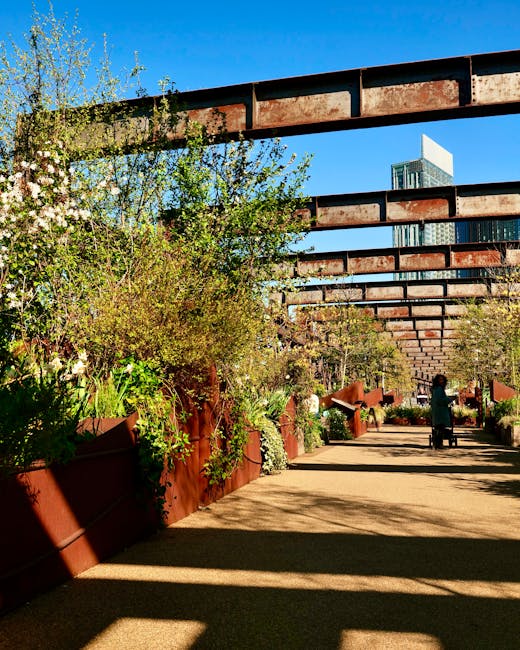
Gardeners for New Covent Garden Market terraces in Nine Elms: practical, reliable terrace gardening that actually works
If you manage or live near New Covent Garden Market terraces in Nine Elms, you already know the challenge: these spaces can be striking, but they are rarely simple. Wind, shade, heat reflecting off brick and glass, limited soil depth, and a constant need to keep things tidy can make terrace planting feel like a moving target. That is exactly where experienced gardeners for New Covent Garden Market terraces in Nine Elms make a difference. They bring order to awkward spaces, help plants survive the conditions, and turn terraces into places people actually want to use.
Whether you are dealing with a single exposed planter, a row of commercial terrace beds, or a mixed-use outdoor area that needs to look polished all year, the right approach is part design, part maintenance, and part realism. Not every plant belongs on a terrace. Not every layout will hold up through a wet winter or a blustery spell in the middle of spring. In this guide, we'll break down how terrace gardening works in this part of London, what to expect from a good service, and how to avoid the expensive mistakes people often make when they try to do it all themselves.
For wider support beyond terrace planting, it can also help to look at related gardening services, especially if your outdoor space needs maintenance, planting refreshes, or a longer-term care plan.
Table of Contents
- Why Gardeners for New Covent Garden Market terraces in Nine Elms Matters
- How Gardeners for New Covent Garden Market terraces in Nine Elms Works
- Key Benefits and Practical Advantages
- Who This Is For and When It Makes Sense
- Step-by-Step Guidance
- Expert Tips for Better Results
- Common Mistakes to Avoid
- Tools, Resources and Recommendations
- Law, Compliance, Standards, or Best Practice
- Options, Methods, or Comparison Table
- Case Study or Real-World Example
- Practical Checklist
- Conclusion
- Frequently Asked Questions
Why Gardeners for New Covent Garden Market terraces in Nine Elms Matters
Terraces around New Covent Garden Market sit in a part of London where outdoor spaces have to work hard. They are often visible, often busy, and often exposed to microclimates that can change from one corner to the next. One planter may bake in afternoon sun while another stays damp and shaded. A screening hedge can fail because of wind. Decorative pots can look great for six weeks and then collapse into a sad tangle of crispy leaves. To be fair, that is not usually a plant problem. It is a planning problem.
Good terrace gardeners understand that a successful space is not just about adding greenery. It is about creating structure, resilience, and ease of care. On a commercial terrace, that might mean low-maintenance planters, seasonal refreshes, discreet privacy planting, and tidy hard edges. On a residential terrace, it might mean softer planting, a calm layout, and choices that do not require constant rescue. In both cases, the goal is the same: the space should look intentional, not improvised.
The other reason this matters is longevity. Poorly chosen plants, weak containers, or unmanaged growth can create recurring issues: blocked drainage, wind damage, staining, trip hazards, and endless replacement costs. A terrace that is planted properly from the start tends to need fewer emergency fixes later. And let's face it, nobody wants to be replacing half the scheme every time the weather turns.
That is why many property owners in the area prefer a structured service such as garden maintenance alongside terrace-specific planting. It keeps the space looking finished rather than half-managed.
How Gardeners for New Covent Garden Market terraces in Nine Elms Works
Terrace gardening starts with the site, not the plants. A proper assessment usually considers sun, shade, wind exposure, container depth, access, weight limits, drainage, and how the space is used day to day. That may sound basic, but it is where many problems begin. A plant that thrives in a sheltered courtyard can struggle badly on a terrace that catches gusts from between tall buildings.
In practice, the work often follows a sequence like this:
- Site review - The gardener checks the terrace layout, light levels, drainage, and any awkward corners or dead zones.
- Brief and use-case discussion - The client explains whether the space needs privacy, colour, soft planting, scent, low maintenance, or all of the above.
- Plant and container selection - Suitable species are chosen for the local conditions rather than just for appearance.
- Preparation - Old compost, tired plants, weeds, damaged pots, and clutter are removed or repurposed.
- Installation - Containers, soil, supports, irrigation options, and planting are put in place.
- Aftercare plan - Watering, feeding, trimming, and seasonal replacements are scheduled.
If the terrace includes hard landscaping or access routes, the work may also involve landscaping support to make the whole layout feel coherent. A terrace garden should not look like plants were dropped in at random. It should feel like the space was designed, even if the design is deliberately relaxed.
Good terrace gardeners also think about the practical bits people forget. Can you move containers for cleaning? Can the drainage reach somewhere sensible? Will the planting block sightlines or create safety concerns? Can someone get to the windows without crushing the herbs? Small things. Big difference.
Key Benefits and Practical Advantages
The most obvious benefit is visual appeal. Well-planned terrace planting softens hard lines, adds colour, and creates a sense of calm that concrete and glass simply do not provide on their own. But there is more going on underneath that. A thoughtful planting scheme can also improve usability, privacy, and even how people feel about using the space.
- Better first impressions - Especially important for market-adjacent or mixed-use properties where presentation matters.
- More privacy - Screening plants and structured planters can soften overlooks without making the space feel boxed in.
- Lower maintenance stress - Right plant, right container, right place. It saves time later.
- Seasonal interest - A terrace should not go from "great" to "barely there" in November.
- Improved usability - A cleaner, greener layout makes the space more inviting for sitting, meeting, or simply stepping outside for five minutes.
- Reduced plant turnover - Fewer losses mean less waste and less repeat spend.
There is also an environmental upside. Choosing resilient plants, reusing materials where practical, and managing water sensibly all help reduce waste. If sustainability matters to you, it is worth reading this guide to gardening and climate-conscious choices, because terrace projects can be surprisingly effective when they are done with care.
One nice side effect people don't always expect? A properly planted terrace can make a building feel quieter and more settled. It does not silence the city, obviously. This is Nine Elms, not a monastery. But greenery can soften the whole mood.
Who This Is For and When It Makes Sense
Gardeners for New Covent Garden Market terraces in Nine Elms are a good fit for several types of clients. The exact need varies, but the pain points are similar: exposed conditions, limited time, and a desire for a polished result.
Property managers and landlords
If a terrace is part of a managed development, appearances matter. Plants need to look cared for, not apologised for. Professional gardening helps keep standards consistent, which is often what residents and visitors notice first.
Businesses and hospitality spaces
Terraces can add character, improve customer experience, and create a more memorable setting. But commercial spaces also need predictability. You cannot have a planted feature looking tired every time the weather changes.
Homeowners and residents
Not everyone wants a garden that demands weekends. Some people just want a beautiful outdoor room, a few scent-rich plants, and a space that feels restful after a long day. If that sounds familiar, a terrace gardener can save you a lot of trial and error.
New build or recently refurbished terraces
These spaces often look clean but sparse. They may also lack the mature planting needed to stop them feeling hard or echoey. A good gardener can turn a blank terrace into something warm and liveable without overcrowding it.
It also makes sense if you have already had a few disappointing plant failures. That is not a sign you are bad at gardening. Honestly, it usually means the terrace conditions were never properly matched to the planting. You are not alone there.
Step-by-Step Guidance
If you are approaching a terrace project for the first time, the process becomes much easier when broken into stages. Here is a practical version of how a good service typically unfolds.
- Start with the space, not the shopping list. Measure the area, note the wind direction, and observe where sun and shade sit through the day. A terrace at 9 a.m. can feel very different at 3 p.m.
- Decide what the terrace needs to do. Do you want privacy, colour, scent, storage-friendly planting, or simply something that looks neat all year?
- Choose containers that suit the setting. On exposed terraces, heavier and more stable containers are often safer than lightweight options. Drainage is non-negotiable.
- Pick plants for resilience. Match the species to the light, exposure, and maintenance level you can realistically manage.
- Build layers. Use a mix of structure, foliage, and seasonal colour so the scheme doesn't collapse into one-note green or, worse, a lot of bare pots.
- Plan watering properly. Terrace containers dry out faster than in-ground beds, especially in windy spots. Irrigation can be worth considering where access is awkward.
- Schedule regular care. Trimming, feeding, deadheading, and replacement planting are part of the job, not an optional extra.
If you are also trying to create privacy without making the terrace feel closed in, you might find ideas for evergreen climbers helpful. Vertical planting can do a lot on a tight footprint.
A simple rule of thumb: if the terrace feels good in the first week but hard to maintain by month two, the design needs another look. That is where experienced help really pays for itself.
Expert Tips for Better Results
There are a few things that make an outsized difference on terraces. They are not glamorous, but they matter more than flashy plant choices.
- Use weight wisely. Some terraces have structural considerations, and even where they do not, oversized containers can become awkward fast.
- Choose wind-tolerant plants first. You can always add softer, more delicate species in sheltered pockets, but the core scheme should be tough enough to cope.
- Think in height levels. Ground, mid-height, and vertical layers create a richer feel than a row of identical pots.
- Prioritise foliage. Flowers are lovely, but foliage does the heavy lifting for much of the year.
- Keep access clear. A beautiful terrace that blocks maintenance access is a headache waiting to happen.
- Refresh small areas regularly. It is often better to replace a few tired elements every season than to let the whole scheme drift.
If the terrace is prone to wind, you may also want to explore practical wind-shelter ideas. Even modest protection can help containers and climbers settle better.
Another tip: don't chase "easy" plants just because they are familiar. Easy for whom? A plant may be easy in a sheltered suburban garden and a complete diva on a windswept terrace. Context matters. Always.
Common Mistakes to Avoid
Most terrace problems are repeatable. The good news is that means they are avoidable too.
- Choosing plants for looks alone - A plant that photographs well may be wrong for the exposure and maintenance level.
- Using containers without drainage - Waterlogging is a fast route to root failure.
- Overcrowding - Yes, terraces need lushness, but too many plants can create stress, poor airflow, and a cluttered feel.
- Ignoring the wind - One gusty week can undo months of optimistic planting.
- Forgetting seasonal upkeep - A scheme without maintenance becomes scruffy very quickly.
- Leaving weeds and self-seeding problems unchecked - Small infestations spread faster than people expect. If ivy or aggressive growth is already part of the picture, read this ivy removal guide and the advice on better weed control techniques.
There is also the classic mistake of trying to "set and forget" a terrace. In reality, containers move, plants mature, and weather shifts. The scheme should be reviewed, even if only lightly, through the year.
Tools, Resources and Recommendations
Terrace gardening does not need a shed full of equipment, but the right tools do make maintenance smoother. For most projects, a practical setup includes hand pruners, a watering can or hose access, sturdy gloves, a trowel, compost, slow-release feed, and a way to check drainage before problems develop. If you want a broader overview, the article on essential gardening tools is a sensible place to start.
For planning and plant selection, the following types of resources are especially useful in real life:
- Seasonal planting plans - So the terrace does not look empty in the colder months.
- Container care guides - Particularly useful for long-term maintenance.
- Planting combinations for shade, sun, and exposed conditions - Because one-size-fits-all rarely works.
- Maintenance schedules - A simple monthly checklist is often enough.
- Professional support for pruning and reshaping - Especially if hedges or climbers are part of the design.
For structured greenery and screening, you may also want to look at hedge trimming in Nine Elms and the guidance on hedge artistry. It sounds a bit grand, but shaping greenery well can transform a terrace from plain to polished.
If your terrace scheme includes planters, raised beds, or integrated features, it can also be worth exploring decking services or patio cleaning where hard surfaces need attention as part of the overall look.
Law, Compliance, Standards, or Best Practice
Terrace gardening in a built-up London setting is not just a matter of taste. There are practical standards and expectations to respect, especially where access, safety, and shared use are involved. While every site is different, a careful gardener will usually think about load distribution, drainage, trip hazards, fire exits, maintenance access, and how planting affects movement across the space.
If the terrace belongs to a managed building, the property manager may also have internal rules on what can be installed, how waste is removed, and whether certain materials or fixings are allowed. That is normal. It is better to check early than to fit a beautiful planter that then has to be moved two weeks later. Annoying, but very avoidable.
For professional work, trust signals matter too. Clients often want reassurance that a business takes safety, payment handling, privacy, and complaints seriously. Pages such as health and safety policy, insurance and safety, payment and security, and terms and conditions help set those expectations clearly.
Best practice also includes using appropriate planting methods, keeping pathways clear, and making sure containers are stable enough for the site. That is especially important on terraces exposed to wind or used by families, guests, or staff.
Options, Methods, or Comparison Table
Different terrace projects need different approaches. The table below gives a simple way to think about the main options.
| Method | Best for | Advantages | Watch-outs |
|---|---|---|---|
| Container planting | Most terraces, especially compact spaces | Flexible, tidy, easy to refresh seasonally | Needs regular watering and feeding |
| Climber-led screening | Privacy and vertical greenery | Saves floor space, softens hard walls | Needs supports and occasional training |
| Mixed seasonal displays | Reception areas, hospitality, visual impact | Strong colour and instant appeal | Requires more maintenance and rotation |
| Evergreen structure planting | Year-round consistency | Reliable backdrop, less bare winter space | Can look dense if overused |
| Low-maintenance planting scheme | Busy households and commercial spaces | Less upkeep, fewer replacements | May feel less dynamic without careful design |
In many cases, the best answer is a blend rather than one method alone. For example, a terrace might use evergreen structure at the back, seasonal colour at the front, and climbers for height. That balance tends to feel more lived-in and less stagey.
If you are leaning toward a greener wall or a slim vertical layer, vertical garden ideas can be particularly useful in tight urban settings.
Case Study or Real-World Example
A typical Nine Elms terrace project might begin with a space that looks clean but underused: a few old pots, some tired herbs, one wind-battered shrub, and a wide stretch of hard surface that feels a bit exposed after sunset. The owner wants privacy from neighbouring windows, a softer feel for evening use, and something manageable during busy weeks.
The first step is not adding more plants. It is simplifying. The old mix is removed, the terrace is checked for drainage, and the layout is divided into three zones: a screening edge, a central open area, and a smaller cluster of scent-led plants near the seating space. The screening edge uses sturdy evergreens and climbers; the central area stays open for circulation; the scent plants are chosen for resilience rather than fuss.
Over time, the change is less about "wow, lots of flowers" and more about calm. The space feels grounded. There is somewhere to sit. The view is softer. Maintenance takes less time because the planting matches the conditions instead of fighting them. That is the real win, truth be told.
For projects that need a complete refresh, the guide on launching a garden revamp adventure is a useful reminder that even awkward spaces can be reworked properly.
Practical Checklist
Use this checklist before starting or refreshing a terrace scheme.
- Check sunlight, shade, and wind exposure at different times of day.
- Confirm whether the terrace has any weight, access, or building restrictions.
- Decide the main goal: privacy, colour, calm, or low maintenance.
- Choose containers with proper drainage and enough stability for exposed conditions.
- Use plants that suit the terrace rather than forcing a garden favourite into the wrong spot.
- Plan for watering access, especially in summer.
- Allow enough space for people to move comfortably.
- Include some evergreen structure so the terrace still looks good in winter.
- Schedule maintenance before things start to look tired.
- Review the scheme after the first season and make adjustments.
If pets or children will use the terrace, add a second check for safety and durability. There is a helpful article on safe garden spaces for children, plus guidance on dog-friendly green spaces if your household needs them.
Conclusion
Terrace gardening in and around New Covent Garden Market is not about forcing a suburban garden into an urban roofline. It is about using design, plant knowledge, and realistic maintenance to make a demanding space feel calm, useful, and genuinely attractive. That is what skilled gardeners for New Covent Garden Market terraces in Nine Elms do best. They work with the conditions rather than pretending the conditions do not exist.
If you want a terrace that looks good in spring, holds up in summer, and still feels respectable in winter, the answer is usually thoughtful planning and steady care. No drama. No plant roulette. Just a space that fits the building and the people who use it.
Get a free quote today and see how much you can save.
To start a conversation about your terrace and the support you need, speak with the team through the contact page. If you are comparing services, you may also want to review pricing and quotes so you can plan with confidence.
Frequently Asked Questions
What do gardeners for New Covent Garden Market terraces in Nine Elms actually do?
They assess the space, choose suitable plants and containers, install the scheme, and maintain it so the terrace stays attractive and manageable over time. The work often includes pruning, watering, seasonal updates, and problem-solving for wind, shade, or drainage.
Are terrace gardens hard to maintain in Nine Elms?
They can be if the planting is mismatched to the site. With the right containers, resilient plants, and a sensible maintenance plan, terrace gardens become much easier to manage than most people expect.
What plants work best on exposed terraces?
Usually plants with strong stems, flexible growth habits, and good tolerance for wind and container life. Evergreen structure, hardy climbers, and robust perennials are often more reliable than delicate showpieces.
Can a terrace garden provide privacy without feeling boxed in?
Yes. The key is layering. Using climbers, screening planters, and carefully placed evergreen structure can soften views without making the space feel enclosed or heavy.
How often should terrace plants be watered?
It depends on the season, container size, plant type, and exposure. In summer, terrace containers often need more frequent watering than ground-level beds because they dry out faster in sun and wind.
Is professional terrace gardening worth it for a small space?
Often, yes. Small terraces are where poor decisions show fastest. A professional can help you avoid wasted purchases, awkward layouts, and plants that look good briefly but fail quickly.
What is the difference between terrace gardening and general garden maintenance?
Terrace gardening focuses on container planting, layout, and conditions specific to elevated or hard-surfaced outdoor spaces. General garden maintenance is broader and may include lawns, borders, hedges, and general upkeep.
Can terrace gardens be made pet-friendly?
They can, provided plant selection, access points, and surfaces are chosen carefully. It is sensible to avoid fragile or unsuitable plants and to keep the layout clear enough for safe movement.
How do I stop terrace plants from failing in winter?
Choose hardy species, protect vulnerable containers, avoid waterlogged pots, and plan for seasonal aftercare. The article on winter care tips is a useful companion read.
Should I choose evergreen or seasonal planting?
Usually a blend works best. Evergreens provide structure and winter presence, while seasonal planting adds variety and colour. A purely seasonal scheme can look bare for too much of the year.
Do I need landscaping as well as planting for a terrace?
Sometimes, yes. If the terrace needs better flow, stronger surfaces, seating zones, or a more coherent overall layout, landscaping support can make the planting work much better.
How do I get started if my terrace is currently messy or neglected?
Start with a clean-up, remove dead growth, check drainage, and decide what the space should do first. From there, it becomes easier to rebuild with purpose. If you want a guided refresh, garden maintenance or a tailored consultation is a sensible next step.