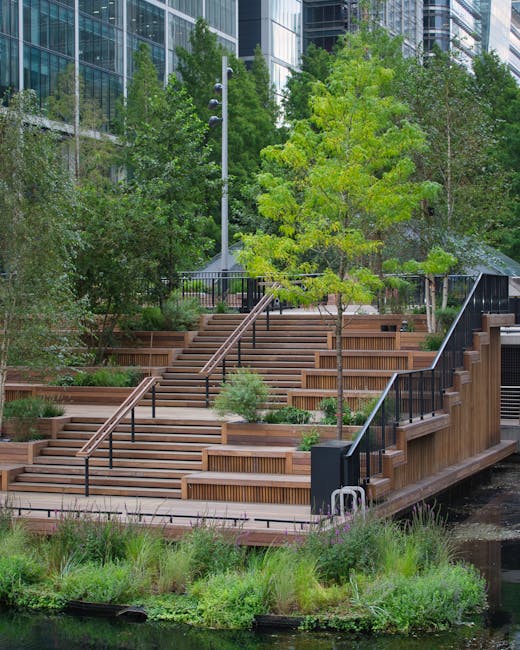
Garden maintenance for Nine Elms Lane homes by local gardeners
If you live on or near Nine Elms Lane, you already know the garden can be a mixed blessing: a pocket of calm in the middle of London, but also a space that seems to need attention every time the weather turns. Garden maintenance for Nine Elms Lane homes by local gardeners is really about keeping that outdoor space healthy, tidy, and usable all year, without you having to spend every spare Saturday pulling weeds or chasing hedge growth.
That might mean regular mowing, border care, hedge trimming, leaf clearance, patio cleaning, planting refreshes, or just having someone who understands how fast a city garden can change between spring rain, summer heat, and a windy autumn morning. In this guide, we'll break down how it works, what to expect, where local expertise helps most, and how to avoid the common mistakes that quietly make a garden harder to manage. Truth be told, most overgrown gardens don't happen overnight; they just get neglected in tiny little bits.
For a broader look at what a full service can include, you can also explore garden maintenance support and the wider gardening services available locally.
Contents
- Why Garden maintenance for Nine Elms Lane homes by local gardeners Matters
- How Garden maintenance for Nine Elms Lane homes by local gardeners Works
- Key Benefits and Practical Advantages
- Who This Is For and When It Makes Sense
- Step-by-Step Guidance
- Expert Tips for Better Results
- Common Mistakes to Avoid
- Tools, Resources and Recommendations
- Law, Compliance, Standards, or Best Practice
- Options, Methods, or Comparison Table
- Case Study or Real-World Example
- Practical Checklist
- Conclusion
- Frequently Asked Questions
Why Garden maintenance for Nine Elms Lane homes by local gardeners Matters
Nine Elms has a very particular feel: modern developments, private terraces, compact communal spaces, and homes where every square metre counts. That makes regular maintenance more than a cosmetic job. It is about protecting what you already have and making sure the garden earns its keep. A well-kept space can improve privacy, reduce mess on hard landscaping, and make a small plot feel a lot bigger. Simple as that.
Local gardeners bring something useful that a one-size-fits-all approach rarely does. They see the patterns of the area: sheltered courtyards that stay damp for ages, rooftop or balcony gardens that dry out quicker than expected, shady spots near tall buildings, and windy exposures that flatten softer planting. If you have ever watched your new bedding plants look perfect on Monday and a bit defeated by Friday, you will know the feeling.
The practical side matters too. Regular maintenance prevents small problems from turning into expensive ones. Ivy creeping into cracks, turf thinning along paths, hedges leaning into light, slippery patios, and weeds setting seed are all easier to deal with early. For weather-related issues, it can help to plan ahead using ideas from seasonal weather protection tips and winter plant care advice.
Expert summary: The best garden maintenance is not dramatic. It is regular, sensible, and tailored to the site. In Nine Elms, that usually means staying ahead of growth, wind, shade, and waterlogging before they start doing the damage for you.
How Garden maintenance for Nine Elms Lane homes by local gardeners Works
Most maintenance visits start with a quick visual assessment. A good local gardener will look at the condition of the lawn, beds, hedges, trees, paving, containers, and any awkward corners where weeds or moss build up. They will also notice practical things: whether water drains away properly, whether a hedge is blocking too much light, or whether the garden needs a slightly different routine now that the season has shifted.
After that comes the plan. For some homes, maintenance is weekly or fortnightly, especially where lawns and front gardens need to look consistently smart. For others, monthly or seasonal work is enough, particularly for low-maintenance planting schemes or smaller paved spaces. The right schedule depends on how the garden is used, how much time you want to spend, and how quickly things grow on your particular plot.
A typical visit might cover:
- Lawn mowing and edging
- Weed removal from beds, borders, paths, and driveways
- Hedge trimming and shrub shaping
- Deadheading and seasonal pruning
- Leaf clearance and general tidy-up
- Patio and path sweeping or pressure-free cleaning where suitable
- Plant health checks, watering guidance, and mulching
If hedges are becoming part of the problem, it is often sensible to link general upkeep with a more focused service such as hedge trimming in Nine Elms. And if your paving has gone from smart to slippery, a dedicated patio cleaning visit can make the whole space feel new again.
One thing local gardeners tend to do better than a rushed seasonal clear-out is sequencing. They don't just cut everything back and leave. They work in the order that protects the garden: clean first, prune next, feed or mulch where needed, then finish with the visual details. It sounds obvious, but that order saves headaches later. Honestly, a garden can look neat and still be poorly maintained underneath.
Key Benefits and Practical Advantages
People usually start looking for garden maintenance because they want a tidy garden. Fair enough. But the real benefits go well beyond appearances.
- Less stress: You stop carrying a mental checklist every time you look outside.
- Healthier plants: Regular care reduces disease pressure, pest hiding spots, and competition from weeds.
- Better kerb appeal: Useful if you are welcoming guests, renting out a property, or simply want your home to feel finished.
- Safer surfaces: Moss, algae, and leaf build-up on paths or patios can become slippery if ignored.
- More usable space: A maintained garden is a garden you actually use, not just admire from the window.
- Long-term savings: Preventive care often costs less than rescuing an overgrown or damaged garden later.
There is also a quality-of-life angle that gets overlooked. A tidy courtyard or small lawn changes how a home feels on a grey London evening, and yes, you notice it when the light is fading and the garden still looks calm rather than chaotic. If you are aiming for a more relaxing outdoor feel, ideas from garden seating design and zen-inspired garden spaces can work beautifully alongside regular upkeep.
Who This Is For and When It Makes Sense
Garden maintenance by local gardeners makes sense for a lot of people in Nine Elms, not just keen gardeners with large plots. In fact, it is often most valuable for busy households with small outdoor spaces, because compact gardens can look untidy very quickly.
This service is especially useful if you are:
- A homeowner who wants a presentable garden without committing every weekend to it
- A landlord or property manager keeping a rental garden in reasonable condition
- A family balancing children, work, and outdoor mess
- A pet owner trying to keep grass, borders, and surfaces safe and manageable
- A resident with a balcony, courtyard, or roof terrace that needs specialist care
- Someone returning to a neglected garden and not quite sure where to begin
It also makes sense at specific times of year. Spring is the obvious one, when growth takes off. Summer needs mowing, watering, and deadheading. Autumn brings leaves, soft growth, and damp surfaces. Winter may feel quieter, but the garden still needs protection and the occasional tidy-up. If you want a broader sense of year-round planning, the article on starting gardening with confidence is a helpful companion read.
And if your space is more about structure than soil, the right maintenance can support features like decking areas, fencing, or even a compact landscaping refresh. Gardens in Nine Elms often blend these elements, so maintenance needs to respect the whole picture, not only the lawn.
Step-by-Step Guidance
If you want to understand what sensible garden maintenance looks like in practice, here is a simple, realistic sequence local gardeners often follow.
- Assess the space carefully. Start with the garden as it is today, not as you wish it were. Look for overgrowth, patchy grass, weak plants, blocked drainage, and hard surfaces that need cleaning.
- Prioritise safety and access. Clear away trip hazards, fallen branches, broken pots, and slippery organic build-up before anything else.
- Deal with obvious weed and growth pressure. Weed beds, edges, paving joints, and fence lines early so the garden does not immediately look unmanaged again.
- Cut back what is crowding light or shape. That usually means trimming hedges, shaping shrubs, and removing dead or crossing stems.
- Restore the lawn. Mow at the right height, edge neatly, and check whether the grass needs feeding, scarifying, or a bit of repair work.
- Refresh beds and containers. Add compost, mulch, or fresh planting where the scheme looks tired.
- Clean the hard landscaping. Sweep paths, wash patios where appropriate, and clear moss or debris from corners.
- Finish with detail work. Tie in climbers, tidy borders, remove debris, and make the whole space feel considered rather than merely cut back.
If climbers or self-seeded plants have become a recurring issue, that is where specialist advice can save time. For example, you may find useful guidance in how to deal with ivy or in the piece on shade-loving evergreen climbers if you are trying to replace rather than just remove.
A tiny but important point: good maintenance is usually measured in what you do before a problem becomes visible from the street. That is where the value is.
Expert Tips for Better Results
Local gardeners often have a few habits that make a big difference over time. Nothing glamorous. Just smart, consistent practice.
- Work with the garden's light and exposure. Nine Elms plots can vary wildly, from bright terraces to shaded courtyards. Choose planting and trimming routines to match the actual conditions.
- Mulch at the right time. A good mulch helps suppress weeds and retain moisture, especially in warmer months.
- Keep pruning selective. Don't just cut everything hard because it looks dramatic. That can create weak regrowth and uneven shape.
- Use the weather window. A dry, mild day can be the difference between a clean job and a messy one.
- Check edges and corners. That is where maintenance goes to die, if we are being honest.
- Refresh structure before adding plants. If the hard surfaces, beds, or boundaries are messy, new planting rarely solves the real issue.
Two more tips that come up a lot in real homes: first, keep a simple routine for container watering if your garden includes pots or planters; second, think about wind. London wind can strip moisture fast, especially on elevated or exposed spaces. For that, a few practical ideas from wind protection in the garden can be surprisingly useful.
If you are trying to create a softer, denser look, ground cover and vertical planting help more than people expect. The articles on ground covers for UK gardens and vertical gardens are both worth a look. Small space? That's not a problem, by the way. It's a design brief.
Common Mistakes to Avoid
Most maintenance problems are not caused by bad intentions. They happen because people are busy, or because the garden looks "fine for now." That phrase causes more work later than almost anything else.
- Waiting too long between visits. By the time growth looks dramatic, the garden often needs more than a trim.
- Cutting hedges and shrubs too hard. A severe cut can leave bare patches or stressed regrowth.
- Ignoring drainage. Standing water, wet patches, or compacted soil are not things to shrug off.
- Using the wrong approach on patio or decking surfaces. Some cleaning methods can damage finishes or make surfaces slicker.
- Removing all leaf litter too aggressively. In the wrong area, a little leaf matter can support soil health; in the wrong place, it can smother lawns. Context matters.
- Assuming every plant suits every site. What works in a sheltered garden might struggle badly on a windy terrace.
A common one in city gardens is overcrowding. People want instant fullness, so they plant too densely. It looks lush for a season, then everything competes for light and air. If a border has gone like that, a gradual reset is usually better than starting from scratch.
Tools, Resources and Recommendations
Good maintenance depends on the right kit, but not on an endless toolbox. For many homes, a compact, reliable set of tools beats a shed full of things nobody trusts.
Useful basics include:
- Sharp hand secateurs
- Shears for light hedge shaping
- Lawn mower suited to the size of the garden
- Spade or border fork
- Weeding hand tool
- Stiff broom and leaf rake
- Bucket or garden waste bags
- Gloves and sturdy footwear
- Watering can or hose with sensible pressure control
If you like doing some upkeep yourself between professional visits, the article on essential gardening tools is a practical starting point. For people trying to keep costs sensible, budget-friendly garden tips can help you focus effort where it really matters.
On the planning side, a simple seasonal calendar is often the best resource of all. Mark when the grass usually surges, when hedges need shaping, when leaves build up, and when container plants need extra care. That one little habit can stop a lot of panic. It's not fancy, but it works.
Law, Compliance, Standards, or Best Practice
For most domestic garden maintenance, the main concern is not complex regulation; it is good practice, safety, and consideration for neighbours. Still, it helps to be careful and professional.
Work at height, tool handling, and safe use of machinery should always be managed properly. Hedges, trees, and boundary work may require additional caution where access is awkward or where branches extend beyond a straightforward tidy-up. If a job involves larger trees, it is sensible to use a qualified specialist rather than guessing. That is where tree surgery services become relevant.
Good standards also matter around waste handling, site protection, and surface safety. Garden waste should be removed or composted responsibly, hard surfaces should not be left slippery, and work should be finished with the client's use of the space in mind. If a garden includes children's play areas or a dog run, care needs to be even more thoughtful. A garden should be tidy, yes, but also safe and genuinely usable.
For reassurance on how a provider handles these matters, it is reasonable to review pages such as health and safety policy, insurance and safety, and terms and conditions. That is just sensible due diligence, not being difficult.
Options, Methods, or Comparison Table
Depending on your budget and how hands-on you want to be, there are a few different ways to manage a garden in Nine Elms. Here is a simple comparison.
| Approach | Best For | Strengths | Limitations |
|---|---|---|---|
| DIY maintenance | Small gardens, confident gardeners | Low direct cost, full control | Time-consuming, easy to miss problems |
| Occasional tidy-up visits | Homes that mainly stay in shape already | Flexible, good for seasonal reset | Problems can build up between visits |
| Regular local gardener visits | Busy households, rental homes, demanding planting schemes | Consistent results, preventive care, less stress | Higher ongoing commitment |
| Targeted specialist jobs | Hedges, trees, paving, fencing, lawns needing separate attention | Focused expertise, better outcomes on specific tasks | Not a complete maintenance solution on its own |
For many Nine Elms homes, the best answer is a mix: routine maintenance plus specialist help when needed. A lawn that needs regular attention may benefit from dedicated lawn care or lawn mowing, while a more structural garden might need occasional landscaping support or boundary work like fencing. No need to overcomplicate it.
Case Study or Real-World Example
Consider a typical Nine Elms terrace garden: a small lawn, two raised beds, a narrow side return, and a patio used for morning coffee and the occasional late dinner when the weather behaves. It looks lovely in early spring. By mid-summer, the grass is patchy at the edges, one bed is full of volunteer weeds, the patio has gone a little green, and a hedge along the boundary is starting to block light.
A local gardener would usually approach that in stages. First, clear the weeds and cut back the hedge enough to open the space. Then mow and edge the lawn, clean the patio, and reset the planting with mulch or fresh seasonal colour. If the side return is shaded, they might suggest better ground cover or a climber for vertical interest. If the garden is exposed to wind, they may recommend sturdier planting or a more sheltered layout.
The result is not just "tidier." It feels more balanced, easier to use, and much less demanding to keep on top of. That is the quiet win. You open the back door and think, yes, I can sit out here. That matters more than people admit.
For homes that need a fresh start rather than a quick tidy, the article on launching a garden revamp adventure is a good match. It gives a sense of how a tired garden becomes a proper living space again.
Practical Checklist
Use this simple checklist before arranging or carrying out maintenance:
- Check lawn condition, including bare patches and uneven edges
- Inspect hedges and shrubs for shape, density, and dead growth
- Remove weeds from beds, paving joints, and fence lines
- Look for moss, algae, or slippery debris on paths and patios
- Review container plants for dryness, crowding, or poor compost
- Clear leaves, fallen stems, and general clutter
- Assess whether any tree work needs a specialist
- Confirm access to taps, gates, bins, and side passages
- Decide whether you need one-off help or a repeat schedule
- Note any special concerns, such as pets, children, or privacy issues
If you keep this list to hand, you will usually spot problems early. And early is always cheaper, easier, calmer.
Conclusion
Garden maintenance for Nine Elms Lane homes by local gardeners is about more than keeping things neat. It is about preserving value, making outdoor space usable, and creating a garden that fits real life in a busy London setting. The best results come from steady, site-aware care: mowing, pruning, weeding, cleaning, and seasonal adjustments done before the garden starts fighting back.
Whether you need regular upkeep, a one-off reset, or help with a specific issue like hedges, lawns, paving, or shading, the smartest move is usually to work with someone local who understands the pace and character of the area. Small garden? Big garden? Weird little courtyard where the sunlight appears for about twenty minutes a day? All of them benefit from the same basic principle: consistency beats rescue work.
If you are comparing options or planning the next step, review the service details, check the guidance pages, and make sure the approach suits your home rather than forcing your home to suit the approach.
Get a free quote today and see how much you can save.
A well-kept garden has a quiet kind of joy to it. You feel it when the door opens, the air smells fresh, and everything just looks like it belongs.
Frequently Asked Questions
What does garden maintenance usually include for Nine Elms Lane homes?
It usually includes lawn mowing, edging, weeding, hedge trimming, pruning, leaf clearance, border tidying, and sometimes patio or path cleaning. The exact mix depends on the garden's size and condition.
How often should a garden in Nine Elms be maintained?
Many gardens benefit from fortnightly or monthly visits during the growing season, with seasonal adjustments in autumn and winter. Small or low-maintenance spaces may need less frequent care.
Is local garden maintenance better than a general cleaning or handyman service?
Usually, yes. Local gardeners understand plant growth, seasonal timing, and the specific conditions of urban gardens, which makes their work more effective and better targeted.
Can maintenance help an overgrown garden be restored?
Yes. A thorough reset can bring a neglected garden back into shape, though very overgrown spaces may need more than one visit. In some cases, staged work is the safest and most sensible option.
Do local gardeners handle small courtyards and balconies?
They often do. Compact spaces can actually need more careful planning because containers, shade, wind, and drainage become more important in a smaller area.
What if my garden is mostly hard landscaping rather than lawn?
That is fine. Maintenance can focus on patio cleaning, weed control, container care, hedge trimming, and keeping surfaces safe and attractive.
How do I know if I need hedge trimming or tree surgery?
If the issue is light shaping or regular hedge care, hedge trimming is usually enough. If branches are large, overextended, damaged, or near structures, a specialist tree service may be more appropriate.
Is garden maintenance worth it for rental properties?
Yes, especially if you want the property to present well and avoid bigger repair or clearance costs later. A tidy garden can also make a home more appealing to tenants and guests.
What should I prepare before a gardener arrives?
Clear access where possible, move fragile items, mention any areas of concern, and note pets or children's play areas. A few minutes of prep can make the visit smoother.
Can maintenance improve privacy in a garden?
Definitely. Managed hedges, layered planting, climbers, and structured borders can all help create a more private feel without making the garden feel shut in.
How do I choose between one-off and regular visits?
If the garden repeatedly gets out of hand, regular visits are usually better. If it is already in decent shape and just needs a seasonal reset, a one-off tidy-up may be enough.
Where can I learn more about related services and trust information?
You can look at the local pages for about the team, pricing and quotes, and the relevant policy pages such as safety, payments, privacy, and complaints. Those details help you make a calm, informed choice.