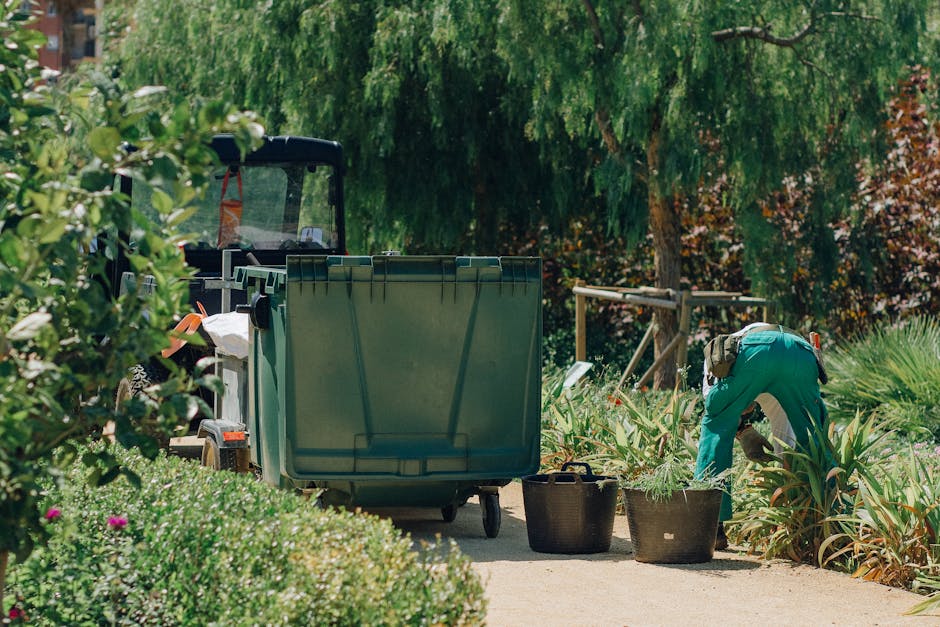
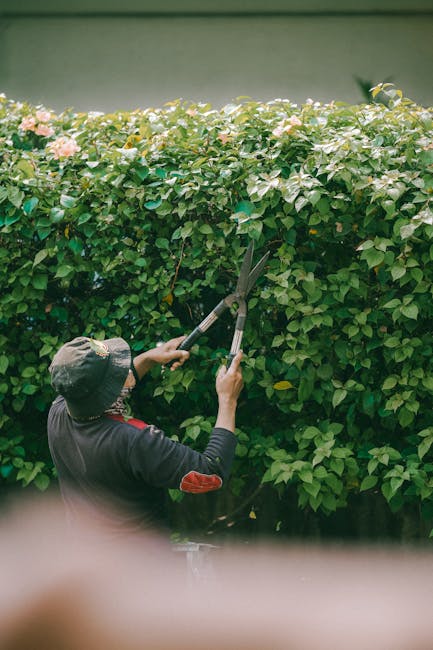
Difficult access garden jobs in Nine Elms tips for local gardeners
If you have ever tried to get a wheelbarrow through a tight side passage, carry bags of soil up a narrow stairwell, or work around basement access, you already know the problem: difficult access garden jobs in Nine Elms can turn a simple tidy-up into a proper logistical puzzle. The gardening itself is only half the job. The other half is getting people, tools, waste, and materials in and out without damaging anything, delaying the work, or making the day harder than it needs to be.
That is especially true in Nine Elms, where gardens can sit behind apartment blocks, on split levels, or in small enclosed spaces that look simple at first glance and then, well, become a little awkward the moment you start moving things. This guide pulls the topic apart in plain English and gives local gardeners practical tips to plan safer, smoother work. It covers what to expect, how to prepare, common mistakes, and when it makes sense to bring in specialist help.
Why difficult access garden jobs in Nine Elms matter
Access changes everything. A garden with a narrow gate, restricted lift access, shared corridors, or no direct vehicle approach can take noticeably longer to maintain than a more open plot. That affects labour time, waste removal, equipment choice, and even the order in which tasks should be done. If you ignore access until the team arrives, you usually pay for it later in delays, extra lifting, or avoidable damage.
For local gardeners, the real issue is not just inconvenience. It is risk. A tight route can create trip hazards, strain injuries, accidental scuffs to communal areas, and problems with moving heavy waste or bulky kit. In busy parts of Nine Elms, there is also the practical matter of working neatly and respectfully around neighbours, property managers, and shared spaces. No one enjoys dragging a muddy bag through a spotless hallway at 8 a.m. on a Tuesday.
Handled properly, though, difficult access work is very manageable. In fact, some of the best results come from careful planning rather than brute force. That is the main mindset shift here: the less accessible the garden, the more important preparation becomes.
How difficult access garden jobs in Nine Elms works
In practice, difficult access gardening is about splitting the job into stages and matching the method to the site. A gardener usually starts by assessing the route, identifying pinch points, and deciding what can realistically be brought through the property. That includes tools, mowers, soil bags, compost, timber, hedge cuttings, branches, and waste sacks.
A good site visit or photo review normally looks at a few key things:
- Width of gates, side passages, and doorways
- Steps, slopes, and uneven surfaces
- Shared access rules for flats or managed developments
- Parking and unloading distance from the entrance
- Whether bulky items need to be cut down before removal
- Possible noise, dust, or mess concerns
Then comes method choice. For example, a hedge trim in a restricted rear garden may be done with lighter hand tools and compact blowers rather than heavy kit. A clearance job might involve smaller loads moved in stages instead of filling one oversized barrow. Sometimes that means the job takes longer on the day. But it often saves time overall because you are not fighting the space every five minutes.
It is also worth saying that access affects disposal. If cuttings or rubble cannot be carried out efficiently, the team may need more collection runs, more sacks, or more careful stacking. That is where a clear plan matters. No drama, just fewer surprises.
Key benefits and practical advantages
When difficult access is handled well, the benefits go beyond simply "getting the job done". You get cleaner results, less stress, and fewer risks to the property. Truth be told, this is where professional planning earns its keep.
- Less damage: Thoughtful routing reduces scuffs on walls, chipped paving, and broken plant pots.
- Safer working: Smaller loads and better sequencing reduce strain and trip hazards.
- Better time control: Access-aware planning makes job duration more realistic.
- Cleaner finish: There is less mess on communal paths and less chance of debris being dragged through the property.
- More accurate pricing: A realistic access assessment helps avoid awkward surprises later.
There is another advantage people sometimes miss: better communication. If you explain the access challenge clearly before work begins, the gardener can advise on the right service scope. That might mean combining hedge trimming with light garden clearance, or doing pathway cleaning after the main cut so the area is actually usable again. Small adjustment, big difference.
For properties in Nine Elms where space is at a premium, this kind of planning is often the difference between a tidy one-visit job and a half-finished process that has to be revisited. Nobody wants that.
Who this is for and when it makes sense
This advice is useful for anyone dealing with a garden that is awkward to reach or difficult to work in, but some situations benefit most from it.
- Residents in apartments or maisonettes with limited rear access
- Landlords and letting agents managing small courtyards or shared outdoor areas
- Homeowners with narrow side returns, basement gardens, or split-level layouts
- Property managers responsible for communal planting or boundary maintenance
- Anyone booking seasonal work such as cutting back, lawn care, or clearance after long neglect
It makes particular sense when the garden task involves bulky waste, heavy materials, or repeated movement between the front and back of the property. A one-off border tidy may be easy enough. A full clearance after a stormy winter, not so much. You will know the difference once you start walking the route with a bin bag in hand.
If you are unsure, ask yourself a simple question: can one person move the materials comfortably without forcing turns, squeezing through narrow gaps, or repeatedly carrying items upstairs? If not, you are probably in difficult access territory.
Step-by-step guidance
The safest way to approach a tight-access garden job is to treat it like a mini project, not a casual day's gardening. Here is a sensible process local gardeners can follow.
- Survey the route. Walk the full access path from street to garden. Note width, height restrictions, steps, locks, obstacles, and surfaces that may become slippery.
- Photograph the pinch points. Clear photos help the gardener judge whether standard equipment will fit or whether smaller tools are needed.
- Identify the main task. Is it mowing, hedge trimming, clearance, patio cleaning, tree work, or a broader overhaul? The answer affects access planning.
- Separate waste from reusable material. Branches, soil, plastic pots, and green waste all behave differently. Sorting early reduces clutter.
- Choose lightweight handling methods. Smaller loads, shorter runs, and compact tools are usually better than trying to push oversized equipment through tight spaces.
- Protect the route. Use covers, boards, or agreed protective measures if the property has sensitive surfaces.
- Work in stages. Clear, cut, or prune in a sequence that keeps the access route open as long as possible.
- Finish with a proper sweep-down. A difficult-access job should leave the route as clean as the garden, not just the garden itself.
That sounds straightforward, and usually it is. The catch is discipline. If the route is tight, one careless pile of cuttings can block your own exit. Been there, done that, no thanks.
Expert tips for better results
Here are the practical touches that make a real difference on awkward sites. These are the sort of habits that separate a smooth job from an exhausting one.
1. Use the smallest effective tool
It is tempting to bring the biggest mower, trimmer, or blower because it feels efficient. Often it is not. In a confined garden, lighter equipment can be faster because it is easier to lift, turn, and store safely while you work.
2. Keep the access line clear from the start
Do not let waste spread across the only route in and out. Stack cuttings in one controlled area, ideally near the exit if that is permitted, so you are not repeatedly stepping over debris.
3. Break down bulky material early
Long branches, dead shrubs, and awkward timber offcuts should be reduced before they become a carrying problem. This is especially helpful for tree surgery or pruning jobs where limbs can become surprisingly cumbersome.
4. Plan for wet weather, not perfect weather
London gardens change character the moment it rains. Surfaces get slick, bags get heavier, and narrow routes become more annoying. If the job is weather-sensitive, build a little flexibility into the plan.
5. Protect neighbours and shared areas
In managed buildings, it is polite and smart to minimise noise bursts, wipe down contact points, and avoid dragging soil through common hallways. It sounds basic, but it matters more than people think.
6. Ask about waste handling before the day
If the access is poor, waste removal may be the main constraint rather than the gardening itself. Discussing disposal in advance can help the gardener decide whether a garden clearance approach is more appropriate than a standard maintenance visit.
One small human tip: leave the gate key, fob, or building instructions somewhere obvious and agreed in advance. The number of jobs delayed by a missing key is, frankly, mildly absurd.
Common mistakes to avoid
Most problems on difficult-access jobs are avoidable. They come from assumptions rather than bad luck.
- Assuming the equipment will fit: A mower or wheelbarrow that works on paper may be useless in a narrow passage.
- Not measuring the route: Eyeballing gate width is not enough. Measure it if the access is tight.
- Leaving waste until the end: Piling everything in one place can block movement and slow the whole job.
- Ignoring shared-space rules: Flats and managed estates often have practical expectations about noise, cleanliness, and timing.
- Overloading bags or barrows: Heavy loads are awkward to lift and more likely to spill or tear.
- Forgetting the return journey: Getting materials in is only half the battle. You still need a safe way to get waste out.
Another common one: people focus on the visible garden and forget the route through the building or side passage. That route is part of the job. In many cases, it is the job.
Tools, resources and recommendations
You do not need a van full of specialist gear to handle tricky access work, but you do need the right approach and a sensible kit list. The best setup is usually compact, durable, and easy to carry.
| Tool or method | Best for | Why it helps in tight access |
|---|---|---|
| Hand shears and compact pruners | Hedges, shrubs, light shaping | Easy to move, precise, and less awkward than larger powered tools |
| Small debris sacks | Green waste and mixed light material | Safer to carry through narrow routes than oversized bags |
| Foldable hand truck or compact barrow | Frequent material movement | Reduces lifting strain if the route is reasonably smooth |
| Protective boards or coverings | Delicate paths and shared surfaces | Helps prevent scratches, mud transfer, and impact marks |
| Secateurs, loppers, and saws | Breaking down woody waste | Let you reduce bulk before carrying pieces out |
On the service side, it can also help to look at the broader range of work available from a local team. For instance, regular garden maintenance keeps access jobs smaller over time, while hedge trimming can prevent growth from taking over pathways. If the problem is not the planting but the layout itself, landscaping or landscape gardening may be the better long-term answer.
For hard surfaces in cramped gardens, patio cleaning is often worth bundling into the visit, since slippery or dirty paving makes access harder for everyone. And if the garden is on the verge of becoming a jungle, a planned garden clearance can reset the whole space. Nice and simple, in theory. In reality, that clearing stage is often the thing that makes everything else possible.
Law, compliance, standards and best practice
For most domestic gardening jobs, the legal side is less about complicated paperwork and more about doing things safely, respectfully, and within the usual expectations for property care. If the work involves ladders, saws, powered equipment, waste handling, or shared access areas, good practice matters a lot.
In the UK, gardeners and property owners should be mindful of health and safety responsibilities, especially where contractors are working on site, equipment is being carried through buildings, or people may be exposed to trip hazards and moving materials. A sensible provider should be able to explain their approach to risk management clearly, and should have appropriate insurance in place. If you are comparing providers, it is perfectly reasonable to review their health and safety policy and insurance and safety information before booking.
Privacy also matters in managed buildings and shared-access environments. If keys, entry notes, photos, or contact details are being handled, the arrangements should be clear and sensible. For service terms, billing, and expectations, it helps to read the relevant pages such as terms and conditions, privacy policy, and payment and security. That is not box-ticking; it just avoids awkwardness later.
Where waste or plant material is being removed, local best practice is to separate green waste, reduce trip hazards, and avoid leaving loose debris in common areas. Reuse and recycling should be considered where practical, which is one reason some clients prefer to ask about recycling and sustainability before the job starts. It is cleaner, more responsible, and usually more efficient as well.
If you are a homeowner or landlord, good paperwork may not feel exciting. Fair enough. But when access is awkward, clarity about responsibilities is worth its weight in compost.
Options, methods and comparison table
There are usually several ways to tackle a difficult-access job. The best choice depends on the size of the garden, the type of work, and how restrictive the route is. Here is a simple comparison.
| Method | Best use | Pros | Trade-offs |
|---|---|---|---|
| Standard full-kit visit | Reasonably open access | Fast and efficient on straightforward sites | Can be awkward or impossible in narrow spaces |
| Compact-tool approach | Narrow routes, stairs, shared entryways | Flexible and safer around tight corners | May take longer on the day |
| Staged clearance | Overgrown or cluttered gardens | Keeps routes open and reduces chaos | Needs careful sequencing and more planning |
| Mixed maintenance plus clearance | Gardens needing both tidying and reset work | Good value where access is limited and multiple tasks are needed | Requires clear agreement on scope |
| Specialist pruning or removal support | Woody growth, dangerous overhangs, bulky branches | Reduces risk on awkward sites | Not suitable for every job, and may involve a more technical approach |
For many Nine Elms properties, the best answer is not one method alone but a combination. A small hedge trim, a light clearance, and a sweep of the patio might be all that is needed. Or it might be a bigger reset with tree work and fencing considerations. If boundaries or screens are part of the access problem, fencing can also influence how the work is planned. Different site, different solution.
Case study or real-world example
Consider a typical Nine Elms courtyard tucked behind a modern apartment block. Access is through a shared side passage with a narrow gate, a short flight of steps, and a turn that makes a full-size wheelbarrow awkward. The garden itself is not huge, but it has a hedge that has crept into the walkway, a patchy lawn, and a patio covered in damp leaf litter.
A rushed approach would probably go like this: bring too much kit, start cutting, pile waste in the middle, then realise the route is blocked. Everyone gets frustrated. The job stretches. The hallway gets muddy. It is not ideal.
A better approach is much calmer. First, the access route is checked and the work is split into stages. Hedge cuttings are reduced as they come off. Lightweight sacks are used for waste. The patio is cleared early so the path is safer. If the hedge has climbed into a tight corner, the gardener trims it back before the main clean-up, which stops clippings from spreading further.
By the time the job is finished, the site looks simple, almost obvious. But that is the point. The success came from planning around the access, not fighting it. Small job, big difference. And, to be fair, it is usually the quiet jobs like this that reward experience the most.
Practical checklist
Use this before booking or starting a difficult access garden job in Nine Elms.
- Measure the narrowest gate, passage, or doorway
- Check for steps, slopes, and slippery surfaces
- Note whether the access is shared, private, or restricted
- Take photos of the problem areas
- List the main tasks in order of priority
- Identify any bulky waste or heavy material
- Confirm where tools and bags can be set down safely
- Ask about insurance, safety, and waste handling
- Agree timing to reduce disturbance to neighbours
- Keep the route clear from start to finish
- Plan a final sweep and tidy-up of the access line
Expert summary: In difficult access gardening, the winning move is usually not more force. It is better planning, lighter kit, and a clean route that stays usable all day.
If you want a clearer idea of how a tailored visit might work, the best next step is to look at the wider gardening services available and compare that with the specific access issues at your property. You can also review pricing and quotes so you know what information to have ready before you ask for an estimate.
Conclusion
Difficult access garden jobs in Nine Elms are rarely about the plants alone. They are about movement, planning, and making sensible choices before the first cut is even made. If you measure the route, think about waste flow, choose compact methods, and keep communication clear, even a very awkward space can be handled neatly.
The good news is that tricky access does not have to mean tricky results. With the right preparation, local gardeners can turn a tight, frustrating site into a tidy, manageable one without creating extra stress for anyone involved. And once you have done it properly once, you start seeing every narrow passage and awkward corner a little differently. In a good way, mostly.
Get a free quote today and see how much you can save.
For a professional, practical approach that respects your property and the realities of tight access, it is worth speaking with a team that understands the local setup and can plan around it calmly. That small bit of care makes all the difference, honestly.
Frequently Asked Questions
What counts as a difficult access garden job in Nine Elms?
Usually it is any garden job where access is restricted by a narrow gate, stairs, shared corridors, limited parking, basement entry, or a long carry from the street. If moving tools or waste becomes awkward, it is difficult access.
Can a normal gardener handle tight-access work?
Sometimes yes, but it depends on the task and the route. Light maintenance may be fine, while clearance, hedge work, or larger pruning jobs often need a more careful plan and smaller kit.
How should I prepare my garden before the gardener arrives?
Clear the route as much as you can, unlock gates, move fragile items, and share photos of any awkward spots. A quick walkthrough beforehand saves time on the day.
Will difficult access make the job much more expensive?
It can affect the time needed, waste handling, and equipment choice. That does not always mean a huge jump, but access is definitely one of the main factors that can influence a quote.
Is it better to split the work into smaller visits?
Often yes, especially if the access is very tight or the garden has become heavily overgrown. Smaller visits can be easier to manage and less disruptive in shared buildings.
What if the garden is behind a flat or shared entrance?
Then access rules matter just as much as the gardening itself. The route, timing, and noise level should all be planned with neighbours and building requirements in mind.
Do I need to remove waste myself?
Not necessarily. Many jobs include waste handling, but you should confirm that early. On tight-access sites, disposal is often one of the key planning points.
What kind of jobs are hardest in restricted spaces?
Heavy clearance, large hedge reductions, tree work, and jobs involving soil or bulky materials tend to be the trickiest. Mowing can also be awkward if the path in is very limited.
Are there safety issues with narrow access routes?
Yes. Narrow routes can create trip hazards, lifting strain, and contact damage to walls or floors. Good practice is to keep the route clear and use safer carrying methods.
Should I ask about insurance before booking?
Yes, absolutely. Any contractor working through tight or shared access should be able to explain their insurance and safety arrangements in plain English.
Can landscaping help solve a difficult access problem long term?
It can. Sometimes the best fix is to redesign a path, rework a boundary, or simplify the layout so routine garden maintenance becomes easier.
What is the simplest way to get a quote for a tricky garden?
The easiest way is to describe the access, send clear photos, and list the work you want done. That gives a provider enough detail to price the job more accurately and avoids guesswork.